Looking for the latest information on Why External Apis Break Idempotency? We've gathered comprehensive data, records, and insights about Why External Apis Break Idempotency.
Main Features
Explore the primary sources for Why External Apis Break Idempotency.
Developments
Stay updated on Why External Apis Break Idempotency's latest milestones.
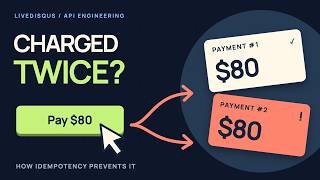
Idempotency Explained: How APIs Prevent Duplicate Payments
How To Make Your API Idempotent To Stop Duplicate Requests
Idempotency Explained | How to Prevent Duplicate Payments in REST APIs
Idempotency Explained: How to Stop Duplicate Payments in Your API
What is API Idempotency and Why Is It Important
Why Your API Needs Idempotency (Before It’s Too Late)
What is idempotency, and why does it matter in APIs
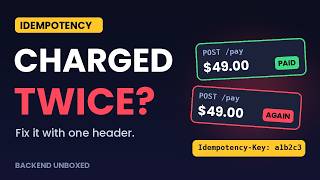
How Idempotency Keys Actually Work — The API Pattern That Makes Retries Safe
🔄 Idempotency in APIs Explained: Prevent Duplicate Payments, Orders & API Requests 🚀
Idempotency in APIs Explained | Why It Matters + Code Example
Why are REST APIs idempotent
Expert Insights
Data is compiled from public records and verified media reports.
Last Updated: October 27, 2026
Final Thoughts
For 2026, Why External Apis Break Idempotency remains one of the most talked-about information profiles. Check back for the newest reports.
Disclaimer: Disclaimer: All information is compiled from publicly available data, media reports, and analysis. Actual details may vary.
Summary
These videos are only possible due to supporters you. Help me make more unsponsored videos this: - Patreon: ... In this video, I will explain Idempotent APIs, one of the most important but misunderstood concepts in backend and REST API ... Why can a timed-out payment still succeed? Learn how Master the Modular Monolith Architecture: bit.ly/3SXlzSt Accelerate your Clean Architecture skills: bit.ly/3PupkOJ ... What happens when a payment succeeds, but the response never reaches the client? The user presses Pay again, and suddenly ... Previous video (Resilience retry patterns): youtu.be/6PXkKkSbMF8 What happens when a service retries a request… and ... A pay-button taps once, fails, taps again — and the bank just charged you twice. The first request actually succeeded; only the ...