Overview to Achieving Linux Kernel Code Execution Through A Malicious Usb Device
Looking for the latest information on Achieving Linux Kernel Code Execution Through A Malicious Usb Device? We've researched comprehensive data, records, and insights about Achieving Linux Kernel Code Execution Through A Malicious Usb Device.
Important Facts
Explore the main sources for Achieving Linux Kernel Code Execution Through A Malicious Usb Device.
Latest News
Stay updated on Achieving Linux Kernel Code Execution Through A Malicious Usb Device's newest achievements.
Linux Kernel 0-Day Leak: 2 CVSS 9.0 RCEs Hit KSMBD (2026)
Don't Trust Your USB! How to Find Bugs in USB Device Drivers
Protect Your Linux Desktop From Malicious USB Devices
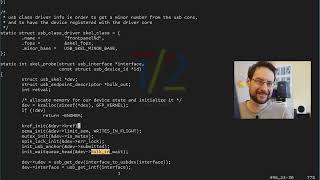
Without AI: Linux kernel developer writes USB driver in just 3h for Apple Xserve front-panel!
AI Helped Weaponize a Linux Kernel Race Into Root (CVE-2026-53264)
Zero day in the Linux Kernel 6.17, Heap Kernel Memory leak through xHCI USB Stack
New Compat Vulnerabilities in Linux Device Drivers
Zero day in the Linux Kernel 6.17 - Memory kernel leak through xHCI USB Stack
CVE-2026-31431: Linux Kernel LPE Actively Exploited
Your Trash Kernel Bug, My Precious 0-day
Security Research One Character Linux Kernel Flaw Enables Local Root Access Exploits Now Public
Expert Insights
Data is compiled from public records and verified media reports.
Last Updated: October 27, 2026
Final Thoughts
For 2026, Achieving Linux Kernel Code Execution Through A Malicious Usb Device remains one of the most talked-about information profiles. Check back for the latest updates.
Disclaimer: Disclaimer: All information is compiled from publicly available data, media reports, and analysis. Actual details may vary.
Summary
How robust is the security of a fully updated, widely used and locked-down Today we look at the discussion around hid- Discover a simple and efficient way to manage 00:00 Introduction 03:03 Syscalls 05:19 By Sergej Schumilo, Ralf Spenneberg, and Hendrik Schwartke "The Universal Serial Bus ( You should never pick up and plug random A researcher pointed an AI at the This vulnerability was discovered by me and tested on March 13, 2026 in the CVE-2026-31431 is an actively exploited
Achieving Linux Kernel Code Execution Through A Malicious Usb Device.pdf
What is the most accurate information about Achieving Linux Kernel Code Execution Through A Malicious Usb Device?
Our platform aggregates the most comprehensive and up-to-date insights, ensuring you get relevant details about Achieving Linux Kernel Code Execution Through A Malicious Usb Device.
Why is Achieving Linux Kernel Code Execution Through A Malicious Usb Device trending right now?
Interest in Achieving Linux Kernel Code Execution Through A Malicious Usb Device has surged recently as more people seek reliable resources, related media, and detailed analysis.
Where can I find related media and updates for Achieving Linux Kernel Code Execution Through A Malicious Usb Device?
You can explore extensive galleries, video summaries, and related content directly on this page.
How often is the content about Achieving Linux Kernel Code Execution Through A Malicious Usb Device updated?
We regularly update our database with the latest information, media, and analysis related to Achieving Linux Kernel Code Execution Through A Malicious Usb Device.