Looking for the latest information on 11 Introduction To Neuroscience Ii? We've researched comprehensive data, records, and insights about 11 Introduction To Neuroscience Ii.
Main Features
Explore the key sources for 11 Introduction To Neuroscience Ii.
History
Stay updated on 11 Introduction To Neuroscience Ii's newest achievements.
[PSYC200] 7. Neuroscience Part 1: Introduction to Neuroscience
10-Minute Neuroscience: Neurons
Introduction to Neuroscience Lecture 1
Introduction to Neuroscience 2: Lecture 6, Pain and Temperature
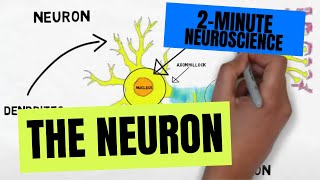
2-Minute Neuroscience: The Neuron
Áine Byrne - Mathematical Neuroscience: An Introduction - 11/02/21
Intro to Neuroscience, Overview and goals
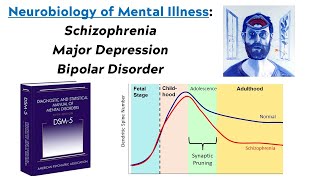
Introduction to Neuroscience 2: Lecture 23: Mental Illness Part 1
Neuroscience: Introduction the nervous system
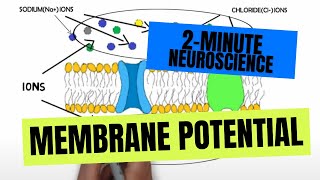
2-Minute Neuroscience: Membrane Potential
Introduction to Neuroscience 2: Lecture 7, Hearing
Deep Dive
Data is compiled from public records and verified media reports.
Last Updated: October 27, 2026
Conclusion
For 2026, 11 Introduction To Neuroscience Ii remains one of the most searched-for information profiles. Check back for the newest reports.
Disclaimer: Disclaimer: All information is compiled from publicly available data, media reports, and analysis. Actual details may vary.
Summary
(April 23, 2010) Patrick House discusses memories and how they are formed. Dana Turker then lectures about the autonomic ... (April 21, 2010) Nathan Woodling and Anthony Chung-Ming Ng give a broad Dr. Chris Grace introduces the topic of In this video, I cover all of the main parts of a neuron including the dendrites, cell body (soma), axon hillock, axon, and axon ... In this video, I discuss the neuron, briefly touching on all of the parts of a neuron including the dendrites, soma, axon hillock, axon, ... Áine Byrne, University College Dublin The use of mathematics has many historical successes, especially in the fields of physics ... This course introduces the foundations of This is the first of two lectures on the neural basis of mental illness. We discuss DSM-5 and the In this lecture, I describe how the brain hears sounds. I describe the morphology of the ear, including it's three basic parts.